Welcome to our guide on ensuring a solid foundation when buying a house! The excitement of finding your dream home can sometimes overshadow the importance of checking for potential issues that may lurk beneath the surface. A strong foundation is crucial for your new abode’s structural integrity and longevity. So, let’s delve into some essential tips to ensure that you make a sound investment in your future home.
Hire a Professional Inspector
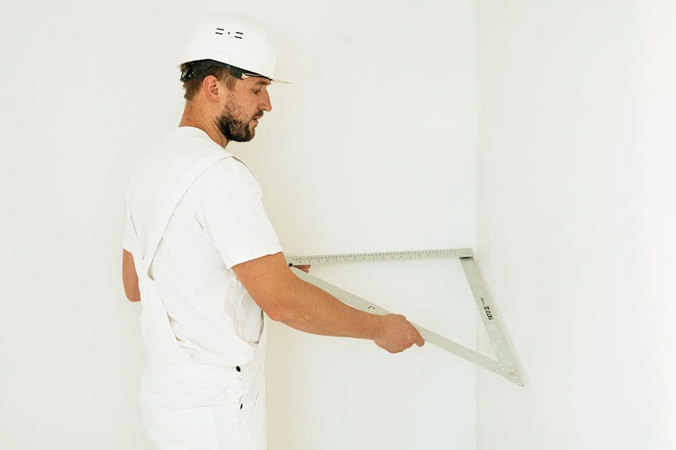
When it comes to buying a house, one of the smartest moves you can make is investing in bouwkundige keuring Utrecht. A qualified inspector will thoroughly assess the property for any underlying issues that may not be visible to the untrained eye. They will look beyond the surface aesthetics and delve into critical areas like the foundation, electrical systems, plumbing, and more. This thorough examination can provide valuable insights into the home’s overall condition and potentially save you from costly repairs down the line. By hiring a professional inspector, you’re arming yourself with essential knowledge that can empower you to make informed decisions about your purchase.
Look for Signs of Foundation Issues
When buying a house, paying attention to any potential signs of foundation issues is crucial. These can range from subtle cracks in the walls or floors to doors and windows that no longer open or close properly. Keep an eye out for any uneven floors or gaps between walls and ceilings, as these could indicate underlying structural problems. Additionally, be wary of exterior cracks in the foundation or bulging walls, which may suggest serious issues with the property’s base. Inspecting the basement for moisture or mold growth is also key, as water damage can weaken a home’s foundation over time. Don’t overlook any musty odors or damp areas that could signal ongoing drainage issues below the surface.
Check Drainage
Checking the drainage around a house is crucial when assessing its foundation. Poor drainage can lead to water pooling near the foundation, causing shifts and cracks over time. Look for signs of standing water or soggy areas in the yard, as these can indicate potential issues. Inspect gutters and downspouts to ensure they are directing water away from the house. Clogged gutters can overflow and deposit water too close to the foundation, so regular maintenance is key. Consider adding extensions to downspouts if necessary to carry water further away from the home.
Check Soil Type
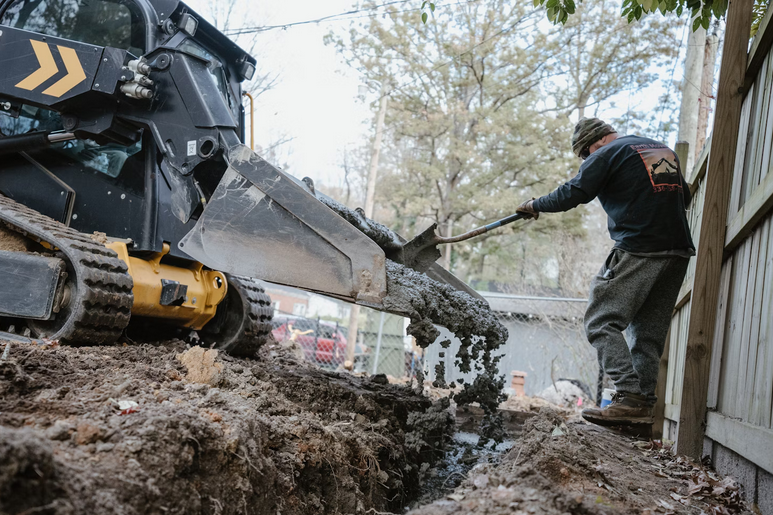
When buying a house, one crucial factor to consider is the soil type on which it stands. Different soil types can impact the foundation’s stability and the property’s overall structural integrity. Clay soils, for example, are notorious for expanding and contracting with changes in moisture levels. This movement can pressure the foundation, leading to cracks and instability over time. On the other hand, sandy soils drain water more easily but may not provide adequate support for heavy structures. Understanding the soil composition beneath a potential home can help you anticipate any future foundation issues. Consulting with experts or conducting soil tests can provide valuable insights into how well-suited the property is for long-term stability.
Ensuring a strong foundation when buying a house is crucial for your investment’s long-term stability and value. By following these tips, such as conducting professional inspections, looking for signs of foundation issues, checking drainage systems, and considering soil type, you can make informed decisions and avoid potentially costly repairs in the future. Remember that a solid foundation provides structural integrity and peace of mind for homeowners. So take the time to assess these key factors before making one of the most significant purchases in your life – your home.