Eco-Friendly Pest Control Solutions for a Healthier Home Environment
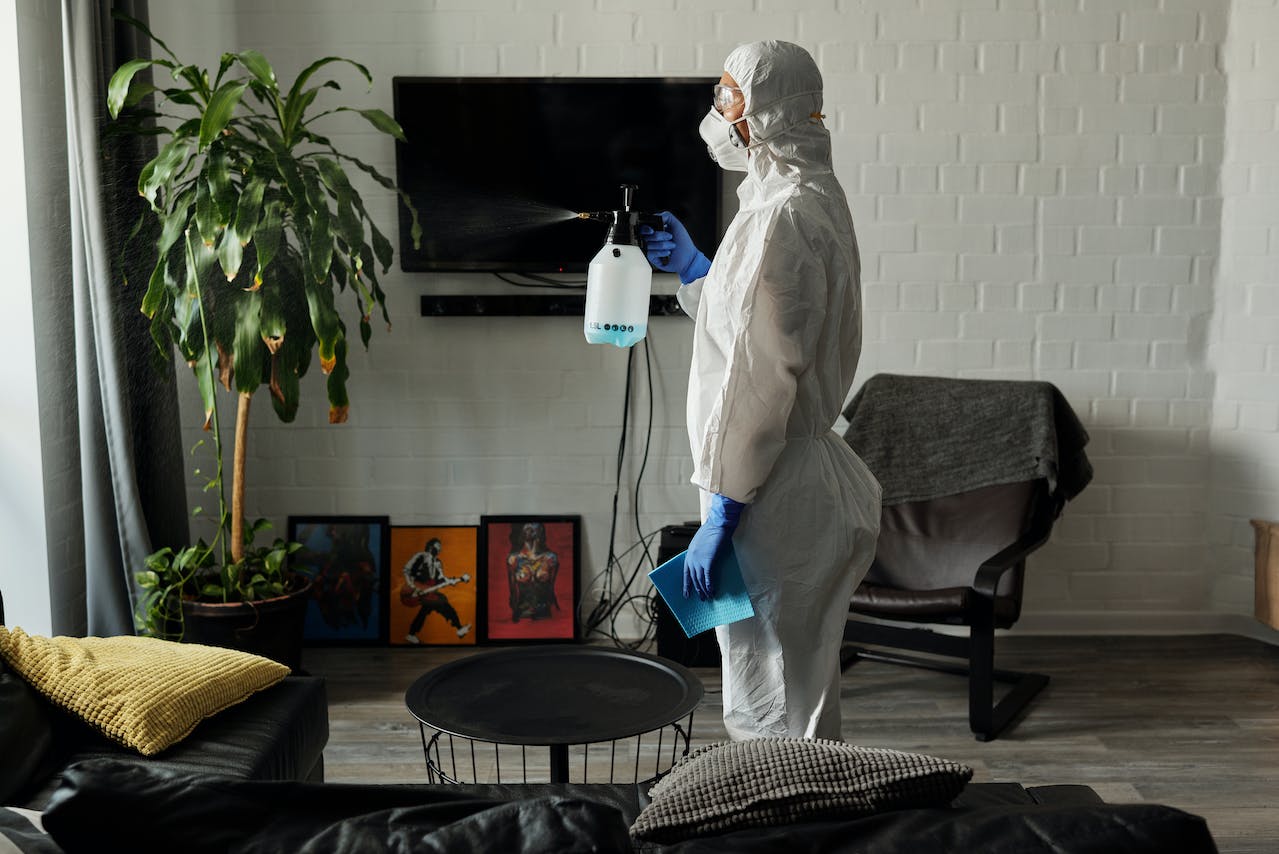
Maintaining a healthy and eco-friendly home environment is a top priority for many individuals and families. However, when unwanted pests invade our living spaces, finding effective pest control solutions can sometimes pose a challenge. Building and pest inspection brisbane services may not be an option for many; luckily, there are numerous eco-friendly alternatives available that not only help rid your home of pests but also ensure the well-being of your family and the environment. In this article, we will explore some of the best eco-friendly pest control solutions to help create a healthier home environment.
Integrated Pest Management (IPM)
Integrated Pest Management is a long-term pest management strategy that incorporates preventative measures, monitoring, and targeted treatments. This strategy reduces the usage of toxic chemicals while emphasizing sustainable and ecologically friendly activities. Implementing IPM allows you to strike a balance between pest management and the general health of your house.
Biological Control
Biological control features the use of living organisms to control pests. For example, ladybugs feed on aphids, making them a natural solution for controlling aphid populations. Similarly, certain nematodes actively prey on harmful insects, reducing their numbers. Introducing beneficial insects and organisms into your garden or indoor plants can help establish a natural balance and minimize the need for chemical interventions.
Natural Repellents
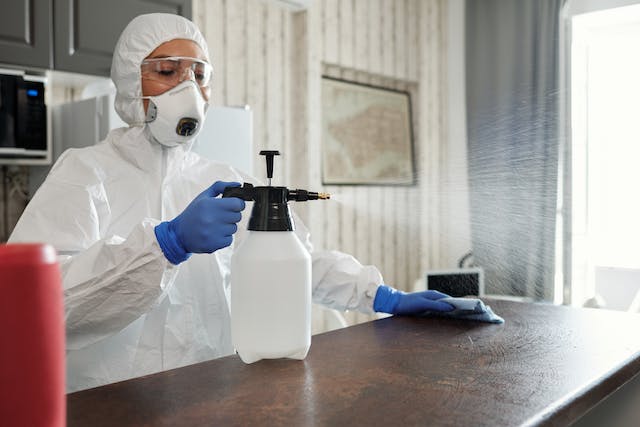
To keep pests at bay without resorting to toxic chemicals, natural repellents offer a safe and effective solution. Essential oils have powerful insect-repellent properties. Diluting these oils with water and spraying them in areas prone to infestations can deter pests effectively.
Sealing Entry Points
This simple yet effective step not only keeps pests out but also helps conserve energy by preventing drafts. Additionally, screens on doors and windows can serve as an additional barrier against insects.
DIY Traps
Creating homemade traps is an eco-friendly and cost-effective method of pest control. For example, fruit flies can be trapped using a jar filled with apple cider vinegar and dish soap. Mosquitoes can be deterred by placing a container of water with a few drops of oil, such as lemon eucalyptus oil. These traps effectively catch pests without the use of harmful chemicals.
Professional Eco-Friendly Pest Control Services
If the pest infestation becomes too overwhelming, it may be necessary to seek professional help. Choose pest control services that prioritize eco-friendly practices and use organic and natural products. These professionals have the knowledge and expertise to handle pest problems safely and effectively while minimizing harm to the environment.
Conclusion
Maintaining a healthy and eco-friendly home environment doesn’t have to mean compromising on effective pest control. By adopting eco-friendly pest control solutions, you can create a balance between the well-being of your family and the environment. Integrated Pest Management, natural repellents, biological control, sealing entry points, DIY traps, and professional eco-friendly pest control services are just a few of the options available to ensure a pest-free home without harmful chemicals. Let’s embrace these methods to protect our homes and the planet simultaneously.
…
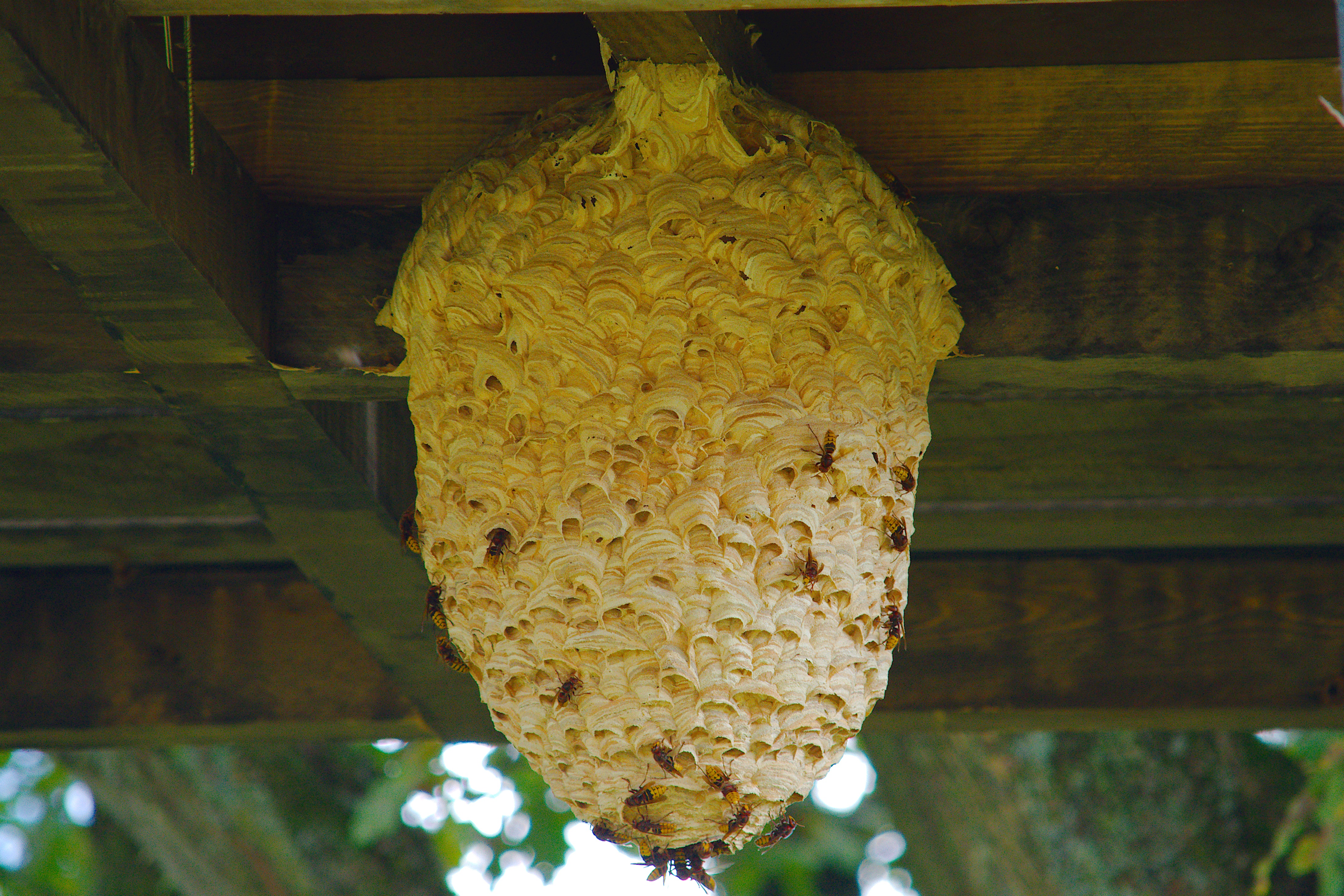
 Bees are often found near
  Bees can enter buildings or objects that have a quarter inch or more massive hole. And once a scout bee finds an ideal place, it will inform its colonies to move there. Therefore, you have to monitor all the gaps and openings that have the potential for any insects to nest.