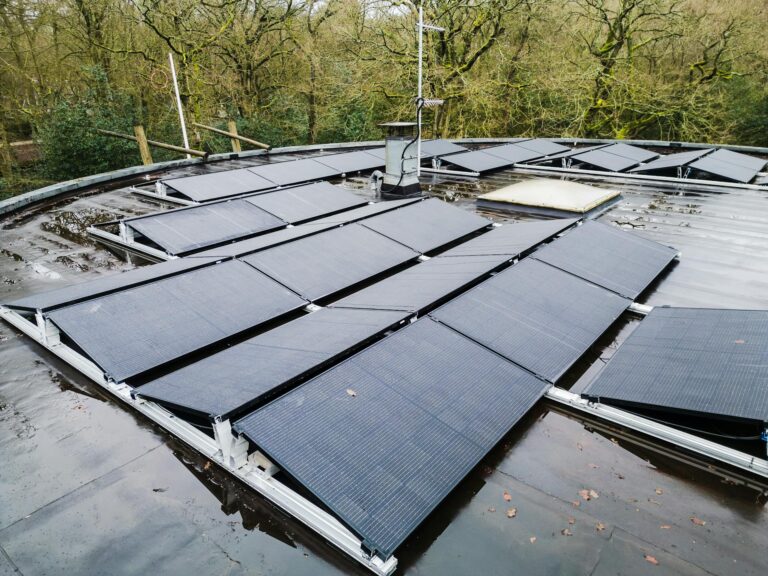
Can Solar Panels Survive Malaysia’s Rainy Season? Homeowners Need to Hear This
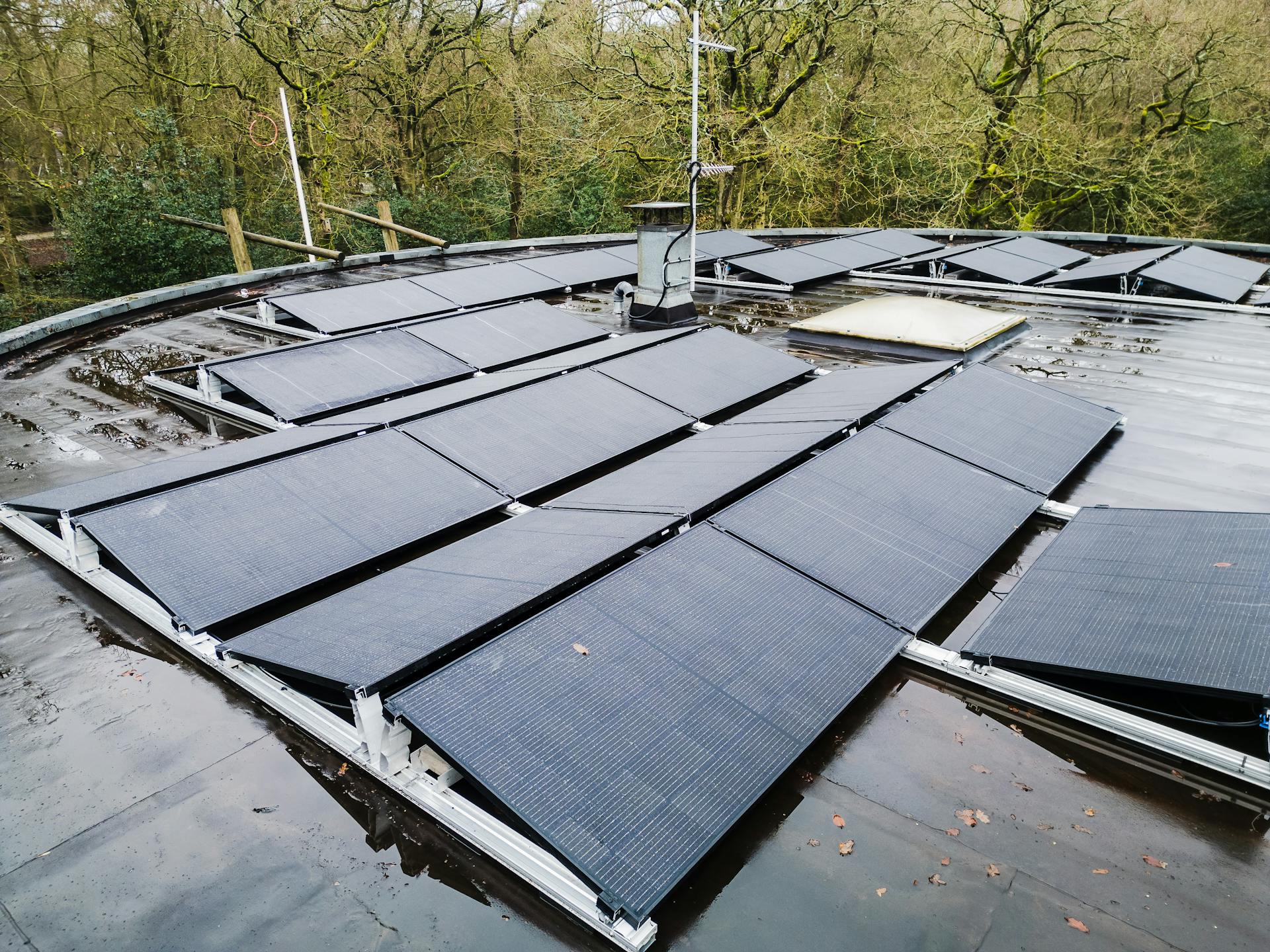
Malaysia’s rain doesn’t arrive politely. One second, the sky looks calm, then suddenly it’s like somebody dumped an entire swimming pool onto your roof. That’s why homeowners keep asking every solar company Malaysia the same nervous question during monsoon season. Can solar panels actually survive all that rain, thunder, and chaos up there? Here’s the answer.
Modern Solar Panels Are Built for Rough Weather
People sometimes imagine solar panels as fragile glass sheets waiting to crack during the first storm. Reality looks very different. Most modern panels are built tough because manufacturers expect outdoor punishment daily. Heavy rain, heat, wind, and sudden weather swings are already part of the design equation. These systems are meant to sit outside for years without falling apart every monsoon season. The glass used on quality panels is surprisingly durable. It handles strong impact better than many people expect. That alone calms a lot of homeowner fears. Honestly, some roofs struggle more with storms than the solar panels attached to them.
Rain Actually Helps Panels Stay Cleaner
Here’s the funny twist nobody talks about enough. Rain can actually help solar panels perform better over time. Sounds backward, right? Dust, pollen, and dirt collect on panel surfaces gradually. Heavy rainfall naturally washes much of that buildup away. Cleaner panels absorb sunlight more effectively afterward. It’s basically nature giving your system a rinse cycle for free. That’s pretty convenient in a tropical climate. Of course, extreme debris or bird droppings may still need occasional cleaning. But regular rain definitely helps reduce grime accumulation.
Cloudy Days Do Not Completely Stop Energy Production
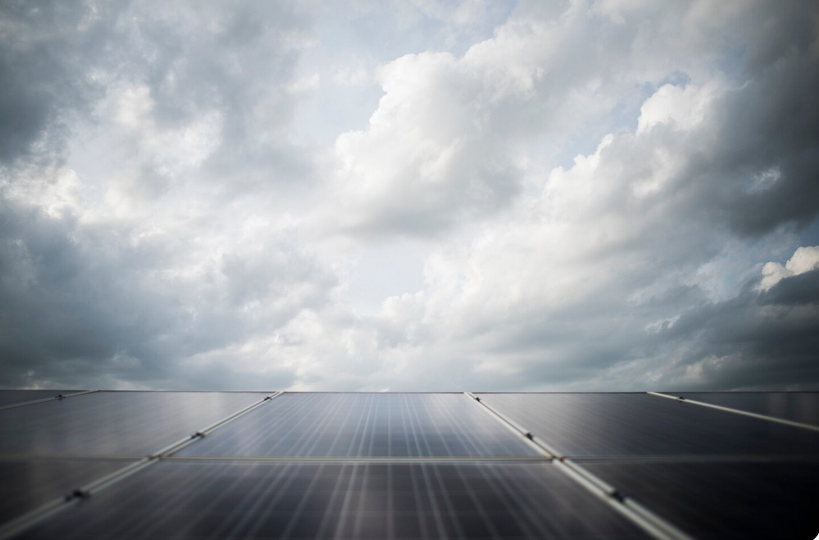
Some homeowners think solar panels become useless once clouds roll in. That’s not how it works. Panels still generate electricity during cloudy or rainy weather. Production drops compared to bright sunny conditions, sure. But the system doesn’t suddenly shut down every time rain appears. Malaysia still gets daylight even during storms. Solar panels continue capturing available sunlight throughout the day. Think of it like charging your phone more slowly instead of not charging at all. The process keeps moving.
A Strong Solar Solution in Malaysia Matters
This part matters more than people realize. Good equipment alone isn’t enough if installation quality is poor. Weak mounting or sloppy wiring creates problems faster during storms. Experienced providers understand Malaysian weather patterns well. They know how to secure systems properly against heavy rain and heat conditions. A reliable solar installer also checks roof condition, drainage, and panel positioning carefully. Those details affect long-term durability heavily. That’s why choosing the right provider makes such a huge difference. You want the system built for local conditions, not guesswork.
Maintenance Still Plays a Big Role
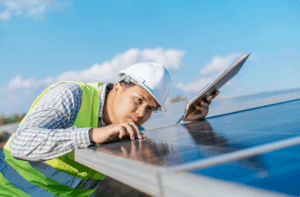
Even durable systems need occasional checkups. Ignoring maintenance completely is like buying a car and never changing the oil. Eventually, something complains loudly. Loose connections, debris buildup, or drainage issues should be inspected periodically. Small fixes prevent larger headaches later. Good maintenance keeps systems operating smoothly through changing weather conditions. It also helps spot wear before it becomes expensive. Luckily, most upkeep stays fairly manageable. Solar systems usually demand less attention than people expect.
Malaysia’s rainy season looks intense, but modern solar systems are built with that reality in mind. Heavy rain alone usually isn’t the threat people imagine. Quality panels can handle tropical conditions surprisingly well. Some rain even helps clean the surface naturally and improve efficiency afterward.…